



MY COMMITMENT TO A BETTER WORLD
I am passionate about more than just the products that Zalomé creates; I am deeply passionate about my impact and helping others. I know that 7% of all profits go to charities and non-profits. It’s my way of ensuring that my purchases contribute directly to the well-being of my community and our world.
CHILDREN'S CHARITIES

I know that a stable, loving home creates an essential foundation that can have a profound influence on future life circumstances.
Millions of children around the world grow up without this essential love and support, living in institutional settings like orphanages.
I know that supporting organizations that provide care, resources, and family-based solutions for these children is more than charity; it is a powerful investment in future generations.
THE IMPACT
Investing in early childhood development programs through charities yields substantial economic benefits. High-quality early interventions can deliver a return on investment of $4 to $9 for every $1 spent. This is due to reduced long-term costs in areas such as remedial education, healthcare, and the justice system. For example, the Perry Preschool Project, a well-regarded longitudinal study, found that participants had higher earnings, were more likely to be employed, and had committed fewer crimes by age 40. Child poverty in the United States alone is estimated to cost the economy between $800 billion and $1.1 trillion annually in lost economic output, increased healthcare costs, and higher criminal justice expenditures.
Children who participate in development programs are more likely to achieve higher levels of education, which directly correlates with increased lifetime earnings. The High/Scope Perry Preschool Study showed that participants were 20% more likely to have graduated from high school and earned up to $2,000 more per month than their non-participating peers. Furthermore, access to quality early education can close the achievement gap for disadvantaged children. By the time they enter kindergarten, children from low-income families can be up to 18 months behind their more affluent peers in language development; quality interventions can significantly mitigate this gap.
Charities that focus on early childhood health and nutrition have a lasting impact on individual well-being and public healthcare spending. For instance, programs that promote healthy habits and provide access to nutritious food can reduce the risk of chronic diseases such as diabetes and heart disease later in life. The "Heckman Equation" by Nobel laureate James Heckman demonstrates that investing in early childhood development is a cost-effective strategy for better health outcomes. His research shows that disadvantaged children who participate in high-quality early childhood programs have significantly lower rates of metabolic syndrome in their mid-30s.
A significant societal benefit of investing in children's charities is the reduction in crime rates. Youth development programs provide safe and structured environments that can deter involvement in criminal activity. The Chicago Child-Parent Center study found that children who participated in the program had a 29% lower rate of felony arrests by age 18. Similarly, the aforementioned Perry Preschool Project participants were 46% less likely to have been sentenced to prison or jail by age 40. These reductions in crime lead to substantial savings in incarceration costs and create safer communities.
Children's charities play a crucial role in fostering essential social and emotional skills, such as empathy, resilience, and self-regulation. These skills are fundamental for personal well-being, healthy relationships, and successful careers. A meta-analysis of social and emotional learning programs found that participants showed an 11-percentile-point gain in academic achievement. Furthermore, adults who have developed strong social and emotional skills in childhood are more likely to have stable employment, positive relationships, and better mental health.
Children who benefit from development programs are more likely to become active and engaged citizens as adults, strengthening the very fabric of our communities. Programs that emphasize social skills, teamwork, and community awareness often translate into higher rates of volunteering, voting, and community involvement later in life. For example, a study following participants of the Big Brothers Big Sisters program found they were more likely to have a strong sense of social acceptance and be more engaged in their communities. Furthermore, research has shown a strong correlation between positive youth development experiences and adult civic participation. This creates a virtuous cycle: engaged citizens contribute to healthier communities, which in turn provide better environments for future generations, leading to reduced social fragmentation and a more cohesive society.
POPULATION AWARENESS
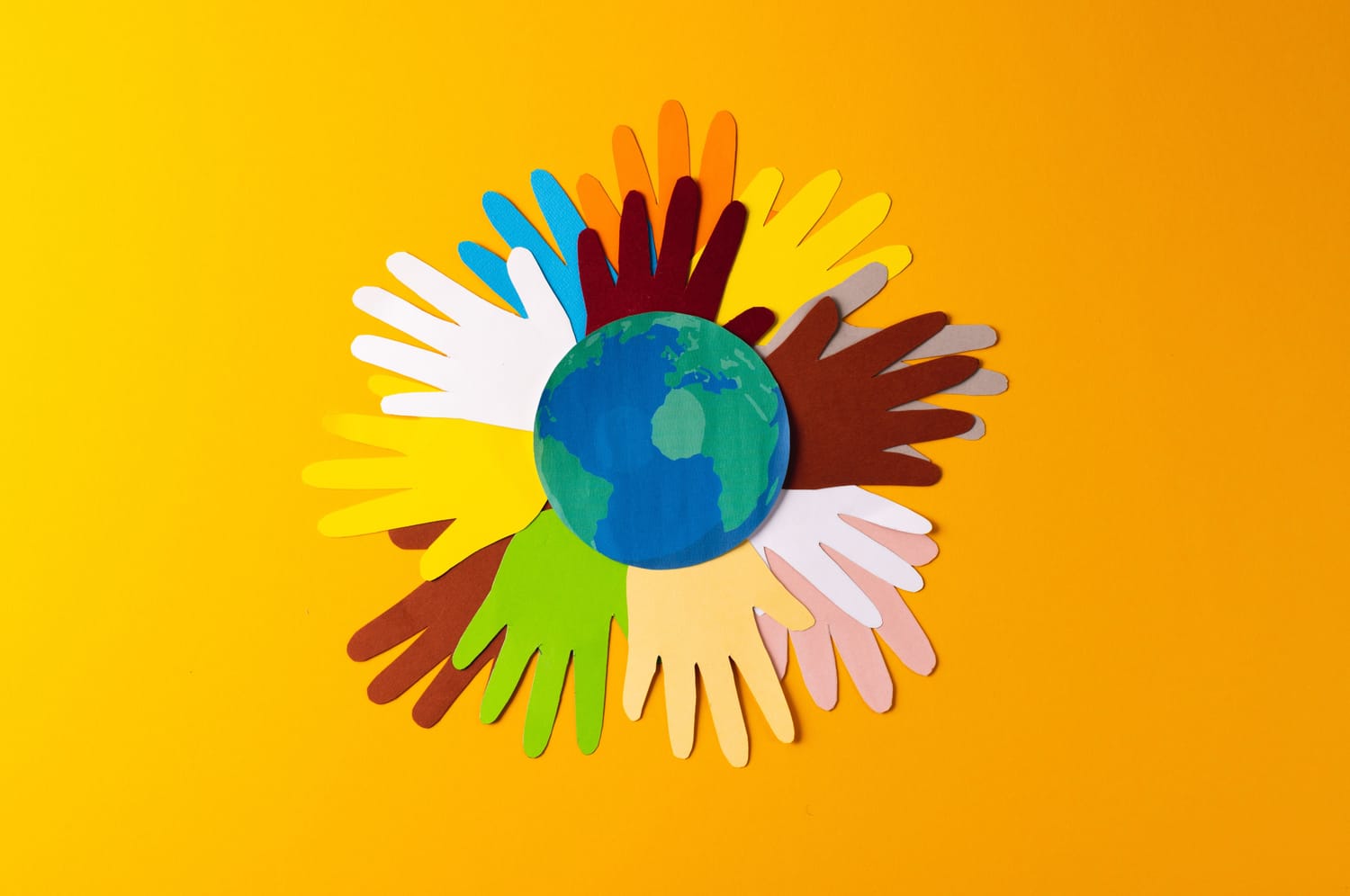
Just as I am committed to nurturing the potential of every child, I am equally dedicated to protecting the world they will inherit.
Supporting organizations that address population dynamics is a foundational investment in a sustainable future. It’s about ensuring a healthy, stable, and resilient planet where the progress we make today is not overwhelmed tomorrow.
By empowering individuals with education and voluntary family planning, I help create a world in balance—one where our shared resources can support us all, our ecosystems can thrive, and our communities can be more peaceful and prosperous.
THE IMPACT
A growing global population places unsustainable demands on finite resources like fresh water, fossil fuels, and minerals. This leads to long-term scarcity and increased competition.
Water Stress: Currently, over 2 billion people live in countries experiencing high water stress. The UN projects that by 2050, as the population nears 10 billion, at least one in four people will likely live in a country affected by chronic or recurring shortages of fresh water.
Material Consumption: Resource extraction has more than tripled since 1970 and continues to grow. The UN Environment Programme reports this accounts for over 90% of biodiversity loss and water stress. If current trends continue, global material use is projected to double from 92 billion tonnes in 2017 to 190 billion tonnes by 2060.
More people lead to greater land use change, pollution, and greenhouse gas emissions, causing irreversible damage to global ecosystems and accelerating climate change.
Greenhouse Gas Emissions: The Intergovernmental Panel on Climate Change (IPCC) identifies population growth as a primary driver of CO2 emissions. While consumption patterns are key, every additional person increases demand for energy, the majority of which still comes from fossil fuels.
Deforestation: Agriculture is the main cause of habitat loss, occupying about 50% of all habitable land on Earth. This expansion, driven by the need to feed a growing population, leads to massive deforestation, which in turn accounts for approximately 10% of global greenhouse gas emissions.
Human expansion into natural habitats is the leading cause of species extinction, threatening the stability of ecosystems that are essential for human survival.
Wildlife Population Decline: According to the WWF's 2022 Living Planet Report, there has been a staggering 69% average decline in monitored wildlife populations of mammals, birds, amphibians, reptiles, and fish since 1970, a period in which the human population has more than doubled.
Extinction Crisis: The Intergovernmental Science-Policy Platform on Biodiversity and Ecosystem Services (IPBES) warns that around 1 million animal and plant species are now threatened with extinction, many within decades, more than ever before in human history. Human activity is the primary driver of this crisis.
Feeding a continuously growing population requires intensifying agricultural practices, which degrades soil, depletes water sources, and makes the global food system more vulnerable to shocks.
Land Degradation: The Food and Agriculture Organization (FAO) reports that approximately 33% of the world's soil is moderately to highly degraded due to erosion, nutrient depletion, and pollution, compromising our ability to produce food for future generations.
Rising Hunger: While food production has increased, its distribution is unequal. The number of people facing chronic hunger has been slowly rising. The UN estimates that in 2022, between 691 and 783 million people faced hunger, and with continued population growth, ensuring food security for all becomes an ever-greater challenge.
Rapid population growth, especially in developing nations, can outpace economic development, leading to higher unemployment, strained public services, and greater social inequality.
Strain on Infrastructure: Rapid urbanization, a direct consequence of population growth, puts immense pressure on housing, sanitation, transportation, and healthcare systems. The World Bank estimates that over 1 billion people live in slums or informal settlements, a number that grows daily.
Poverty and Employment: In many low-income countries, the labor force grows faster than the number of available jobs, leading to high unemployment and underemployment. This traps families in cycles of poverty and can contribute to social and political instability.
High population density, encroachment on wild habitats, and strained sanitation systems create ideal conditions for the emergence and rapid spread of infectious diseases.
Disease Transmission: The World Health Organization (WHO) notes that densely populated urban areas can become hotspots for disease transmission. Overcrowding and inadequate sanitation facilitate the spread of respiratory illnesses like influenza and waterborne diseases like cholera.
Zoonotic Spillover: As human settlements expand into previously wild areas, contact between humans and wildlife increases. The U.S. Centers for Disease Control and Prevention (CDC) states that 3 out of every 4 new or emerging infectious diseases in people come from animals, a risk that is amplified by deforestation and habitat loss driven by population growth.
© 2026 Zalomé